
Walaoeh, touch wood! Nobody wants to get sick. But in 2026, getting sick can make you bankrupt faster than a scammer.
We have all heard the stories. Story A: “My uncle did heart bypass at General Hospital (GH), only paid RM 500. Food was okay, but waited 6 months.” Story B: “My friend got Dengue, stayed 3 nights in Private Hospital. Bill came out RM 8,000. Luckily got Medical Card.”
So, which one should you choose? Is Government Hospital really that slow? Is Private Hospital really just a “hotel” for sick people?
In this ultimate Government vs Private Hospital Malaysia guide, we strip away the rumors and look at the hard numbers regarding Medical Cost Malaysia 2026. We will help you settle the Government vs Private Hospital Malaysia debate by comparing surgery costs, waiting times, and revealing a “Secret Hack” called Full Paying Patient Scheme FPP that lets you enjoy the best of both worlds.
Table of Contents
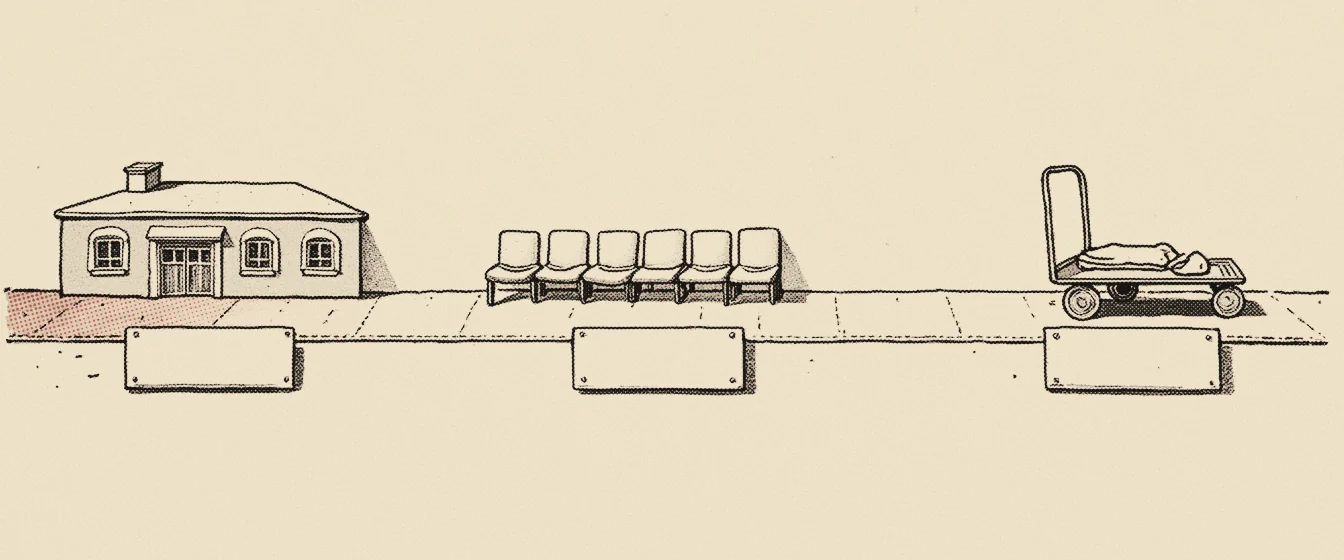 The cost gapGov hospitalPrivate one
Quick Answer: The Government vs Private Hospital Malaysia Cost Comparison
Let’s look at the price tag. This table compares the Total Estimated Bill for common procedures to help you visualize the Government vs Private Hospital Malaysia price gap.
Note: Private rates vary by hospital tier (e.g., Gleneagles vs Pantai vs Columbia).
| Procedure / Treatment | Government (Subsidized) | Private Hospital | Govt FPP (The Hack) |
|---|---|---|---|
| Outpatient (Flu/Fever) | RM 1 | RM 150 – RM 300 | RM 50 – RM 100 |
| Dengue (3 Days Ward) | RM 50 – RM 100 | RM 3,000 – RM 6,000 | RM 800 – RM 1,500 |
| Appendicitis Surgery | RM 100 – RM 200 | RM 8,000 – RM 15,000 | RM 2,000 – RM 4,000 |
| Normal Delivery (Birth) | RM 50 – RM 300 | RM 4,000 – RM 8,000 | RM 2,000 – RM 3,000 |
| C-Section Delivery | RM 100 – RM 800 | RM 12,000 – RM 20,000 | RM 4,000 – RM 6,000 |
| Heart Bypass | RM 500 – RM 4,000 | RM 60,000 – RM 90,000 | RM 20,000 – RM 30,000 |
(Pending official confirmation) The government columns above are our estimates. MOH publishes surgery charges by surgery class (Jenis A to F) and ward class – Class Three ranges from RM10 to RM200 – not procedure by procedure, so which class each operation falls into cannot be confirmed from it. Outpatient RM1 per visit is confirmed on MOH's Caj Pesakit Luar page.
Not everyone pays that scale: a Malaysian aged 60 and above gets a 50% reduction on Class Three ward charges capped at RM250 per admission, and a JKM aid recipient stays free — see this site’s guide to senior citizen benefits.
(Walaoeh Verdict: When comparing Government vs Private Hospital Malaysia, Government is 99% cheaper. But Private is 99% faster. If you don’t have a Medical Card, Private is a financial suicide mission. Check our Average Salary Guide to see if you can afford it!)
Round 1: Government Hospital (Hospital Kerajaan)
The first contender in our Government vs Private Hospital Malaysia battle is the public sector. Malaysia’s public healthcare is recognized by the WHO as one of the best “value-for-money” systems in the world. The Hospital Kerajaan Charges are incredibly low because they are heavily subsidized. Whether OKU cardholders get further fee reductions is covered in a separate guide.
The Good (Pro)
- Almost Free: For RM 1, you see a doctor and get medicine. For RM 5, you see a Specialist. It is practically free.
- Top Specialists: Believe it or not, the most experienced doctors are often in GH. They handle the most complicated cases that Private hospitals reject.
- Low Deposit: You usually don’t need a huge deposit to get admitted (maybe RM 30).
The Bad (Con)
- The Waiting Game: You might wait 4 hours to see a doctor. For surgeries (non-emergency), you might wait 6 to 12 months.
- Comfort: You might be in a “Class 3” ward—no aircond, 6-8 beds per room, shared bathroom.
- Overcrowding: Sometimes patients sleep on canvas beds in the corridor because wards are full.
Who is it for?
- Those with no insurance.
- Retirees / Pensioners.
- Emergency cases (Car Accident / Heart Attack) -> Go straight to GH Emergency, they won’t ask for money first.
Round 2: Private Hospital (Hospital Swasta)
This is the luxury side of the Government vs Private Hospital Malaysia equation.
The Good (Pro)
- Speed: You can see a specialist today and get operated on tomorrow.
- Comfort: Single room, flat-screen TV, menu selection for food. It’s like a hotel.
- Choice: You can choose your doctor. In GH, you get whoever is on duty.
The Bad (Con)
- Expensive Deposit: Before they even touch you, they ask for a Deposit (GL) or Credit Card hold of RM 5,000 to RM 10,000.
- Itemized Billing: Every cotton ball, every gloves, every tissue is charged. The “Medical Inflation” in Malaysia is around 12% per year.
- Business First: If your insurance limit bursts, they might ask you to transfer to GH.
Who is it for?
- People with Medical Cards (Company or Personal).
- People who value time over money.
- Minor surgeries where you want to recover in comfort.
Round 3: The Secret Hack – FPP (Full Paying Patient)
Did you know there is a “Middle Ground” in the Government vs Private Hospital Malaysia dilemma? It is called the Full Paying Patient Scheme FPP (Skim Pesakit Bayar Penuh). Available in major Gov hospitals like Hospital Putrajaya, Hospital Serdang, and Hospital Selayang.
What is the Full Paying Patient Scheme FPP? You go to a Government Hospital, but you pay “Private Rates” (which are still 50% cheaper than outside).
The Benefits:
- Choose Doctor: You can pick a specific Specialist / Consultant.
- Skip Queue: You get a dedicated lane/clinic. Faster appointment.
- Better Ward: You get priority for First Class Wards (Aircond, Single/Double room).
- Cheaper than Private: A C-Section might cost RM 5,000 (FPP) vs RM 15,000 (Private).
Who qualifies? Anyone! But you must pay cash or have insurance that covers FPP. (Check the official MOH Website for the list of FPP hospitals).
The “Medical Card” Dilemma in 2026
If you choose the “Private” side of Government vs Private Hospital Malaysia, you MUST have a Medical Card. But regarding Medical Card Malaysia 2026, insurance rules have changed significantly.
1. Co-Payment / Deductible is the New Standard
Bank Negara Malaysia (BNM) now encourages policies with Co-Payment (e.g., you pay the first RM 500 or 5% of the bill).
- Why? To lower your monthly premium.
- Walaoeh Tip: If you are young and healthy, take a High Deductible plan (e.g., Deductible RM 500) to save monthly costs. Use your Emergency Fund (FD) to pay the RM 500 if you get sick.
2. Annual Limit vs Lifetime Limit
Ensure your card has a High Annual Limit (at least RM 1 Million). With Medical Inflation, a RM 100k limit is NOT enough for cancer treatment or major bypass surgery in 2026.
3. Admission Deposit
Even with a Medical Card, Private Hospitals often ask for a deposit (RM 300 – RM 500) for “Non-Medical Items” (like tissue, extra food) which insurance doesn’t cover.
Cost of Childbirth 2026: Giving Birth to a “Gold” Baby?
For young couples, this is the biggest expense. The Cost of giving birth Malaysia 2026 varies wildly depending on your Government vs Private Hospital Malaysia choice.
Government Hospital (Warga Malaysia):
- Total Cost: RM 100 – RM 800 (depending on Class 1/2/3 ward).
- What to expect: Husband might not be allowed in the labor room (depends on hospital policy).
Private Hospital:
- Normal Delivery: RM 4,000 – RM 8,000.
- C-Section: RM 12,000 – RM 20,000.
- What to expect: Husband can cut the cord. Nice photos.
- Warning: If the baby has complications (e.g., jaundice, NICU), the bill can shoot up to RM 50,000+ overnight. Insurance usually DOES NOT cover childbirth unless you bought specific “Lady Plans” early on.
(Planning for a baby? Better check our Rent vs Buy House Guide to make sure you have space!)
5 Hidden Medical Cost Malaysia 2026 in Private Hospitals
When you see the “Package Price” (e.g., Appendicitis RM 8,000), that is NOT the final bill. Beware of:
- Consultant Fees: The doctor charges separately from the hospital. If you see 3 doctors (Surgeon, Anesthetist, Physician), you get 3 bills.
- Nursing Care: Every time the nurse comes to check your BP, it’s charged.
- Take-Home Meds: The pharmacy price in hospitals is marked up 200%. (Tip: Ask the doctor for the prescription and buy from outside pharmacies like Caring/Big if possible).
- Admin Fee: RM 50 – RM 100 just for registration.
- Room & Board: If you check out late (after 12 PM), they charge an extra half-day.
Summary: Which One Should You Choose?
Choose Government Hospital if:
- You have a chronic illness that requires long-term medication (e.g., Diabetes, Hypertension).
- You have zero insurance.
- It is a super emergency (Trauma/Accident).
Choose Private Hospital if:
- You have a Medical Card (Company or Personal).
- You need a minor surgery ASAP (e.g., Knee surgery) and cannot wait 6 months.
- You value privacy and comfort.
Choose FPP (Govt) if:
- You want Specialist care without the Private price tag.
- You are paying Cash but want to skip the general queue.
Action Plan:
- Check Insurance: Pull out your policy. Is the limit > RM 1 Million? Is there a co-payment?
- Emergency Fund: Save at least RM 5,000 in a liquid account (like TNG GO+ or Savings) for admission deposits.
- Know Nearest Hospital: Know where the nearest GH and Private hospitals are from your house.
Frequently Asked Questions (FAQ)
Is medical treatment free for foreigners in Government Hospitals?
No. Foreigners pay the Full Rate (Cost pengurusan) at Government Hospitals, which is often double the citizen rate. However, it is still cheaper than Private Hospitals. In emergencies (Red Zone), they will treat first and bill later.
Can I use my EPF to pay for medical bills?
Yes. You can withdraw from EPF Account 2 (Akaun Sejahtera) to pay for “Critical Illness” treatment for yourself or immediate family members (Spouse, Parents, Children). You need the medical report and bill to apply via KWSP i-Akaun.
What does a Medical Card NOT cover?
Standard Medical Cards do NOT cover:
1. Routine check-ups / Health Screening.
2. Dental & Optical (unless accidental).
3. Pregnancy/Childbirth (unless complications).
4. Pre-existing illnesses (diseases you had before buying the card).How much is the deposit for Government Hospitals?
For Malaysian citizens, the deposit is very low, usually RM 30 to RM 50. For Civil Servants (GL) and Pensioners, it is Free. For FPP patients, the deposit can range from RM 1,000 to RM 3,000 depending on the procedure.
About this guide. Written by an independent Malaysian and re-checked against official sources on a schedule. It is general information, not legal, tax, financial or medical advice — rules, fees and thresholds in Malaysia change, sometimes without notice. Where a decision affects your money or your rights, confirm with the official agency or a licensed professional before acting.